WHAT IS A CATARACT?
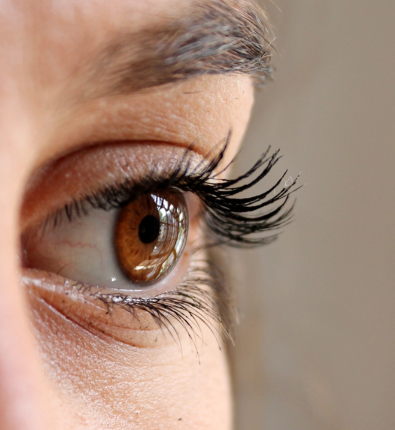
A cataract is a condition in which the natural lens of the eye becomes cloudy, leading to a gradual decrease in vision. The lens, which is normally clear, helps focus light onto the retina so we can see sharp images. When it becomes cloudy, vision appears blurred, hazy, or dim.
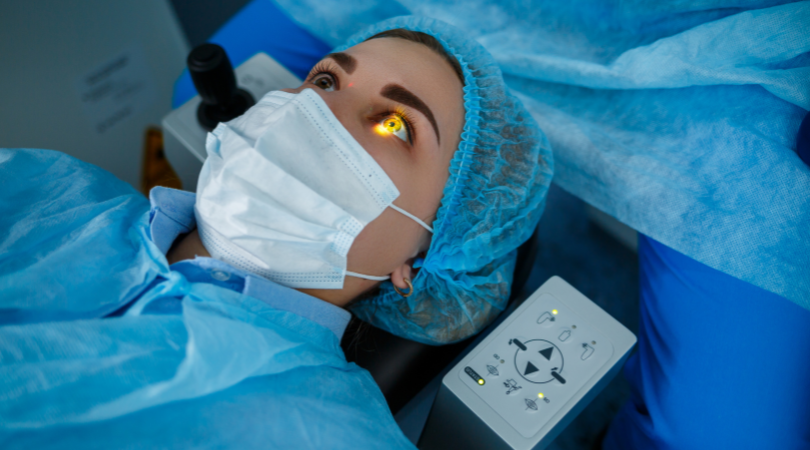
Key Points About Cataract
➤
It commonly develops as a part of the normal aging process
➤
Vision may become foggy, glary, or less colorful
➤
Night vision may worsen, and bright lights may cause glare or halos
➤
Cataract is a leading cause of avoidable blindness, but it is completely treatable
Treatment
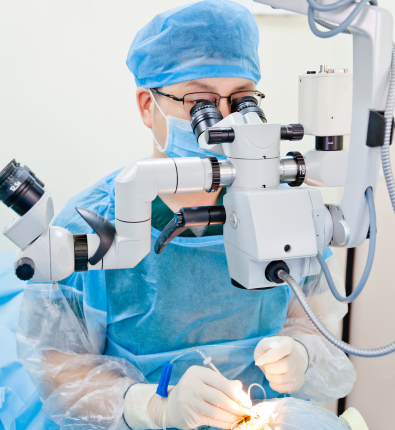
Cataracts cannot be corrected with medicines, eye drops, or spectacles. The only effective treatment is cataract surgery, where the cloudy lens is replaced with a clear artificial lens, restoring vision.
Early detection through regular eye examinations helps ensure timely treatment and better visual outcomes.
Frequently Asked Questions (FAQs) About Cataract
1. What is a cataract?
A cataract is the clouding of the natural lens of the eye, which causes blurred or reduced vision.
2. Who can get cataracts?
Cataracts commonly occur due to aging, but they can also develop due to:
➤
Diabetes
➤
Eye injury
➤
Long-term use of steroid medications
➤
Congenital (present at birth) conditions
3. What are the symptoms of cataracts?
➤
Blurred or foggy vision
➤
Increased sensitivity to light
➤
Glare or halos around lights
➤
Difficulty seeing at night
➤
Frequent change in spectacle power
4. Can cataracts be prevented?
Age-related cataracts cannot be completely prevented, but early detection and timely treatment can prevent vision loss. Wearing sunglasses, controlling diabetes, and regular eye check-ups may help delay progression.
5. Is cataract surgery safe?
Yes. Cataract surgery is a safe and commonly performed procedure with excellent visual outcomes when done by trained ophthalmologists.
6. Can cataracts be treated with medicines or eye drops?
No. Cataracts cannot be cured with medicines, eye drops, or spectacles. Surgery is the only effective treatment.
7. When should cataract surgery be done?
Cataract surgery is advised when vision affects daily activities such as reading, driving, or recognizing faces.
8. How long does cataract surgery take?
The surgery usually takes 10–15 minutes, and in many cases, patients can go home the same day.
9. Will I need spectacles after surgery?
Some patients may need spectacles for reading or distance vision depending on the type of intraocular lens implanted.
10. Can cataracts come back after surgery?
The cataract itself does not come back. However, some patients may develop a condition called posterior capsular opacification, which can be easily treated with a simple laser procedure.
11. Can both eyes be operated on at the same time?
Usually, cataract surgery is done on one eye at a time, with a gap between surgeries as advised by the doctor.
12. What care is needed after cataract surgery?
➤
Use prescribed eye drops regularly
➤
Avoid rubbing the eye
➤
Attend follow-up visits
13. When can the head bath be taken?
➤
Two weeks after the surgery, as advised by the doctor.
PREOPERATIVE INSTRUCTIONS FOR CATARACT SURGERY
To ensure a safe surgery and smooth recovery, please follow these instructions carefully before your cataract operation:
1. Medical Evaluation
➤
Undergo all preoperative eye examinations and tests advised by the doctor.
➤
Inform the doctor about existing medical conditions such as diabetes, blood pressure, heart disease, asthma, etc.
➤
Share details of all medicines you are currently taking.
2. Medications
➤
Continue your regular medicines for diabetes, blood pressure, and heart conditions unless advised otherwise.
➤
If you are taking blood thinners (such as aspirin, clopidogrel, or warfarin), inform your eye doctor.
➤
Use preoperative eye drops as prescribed.
3. Personal Hygiene
➤
Take a head bath and face wash on the morning of surgery.
➤
Do not apply oil, kajal, eye makeup, or face cream on the day of surgery.
➤
Wear clean, comfortable clothing.
4. On the Day of Surgery
➤
Reach the hospital on time, as instructed.
➤
Carry all medical reports, prescriptions, and identity documents.
➤
Arrange for a responsible attendant to accompany you and take you home after surgery.
5. General Instructions
➤
Do not worry—cataract surgery is a safe and common procedure.
➤
Follow all instructions given by hospital staff.
➤
Surgery is usually done under local anesthesia, and you will be awake but comfortable.
6. Important Notes
➤
Surgery may be postponed if you have a fever, cold, cough, or any active infection—inform the hospital in advance.
➤
Follow doctor’s advice strictly for best visual results.
POST-OPERATIVE INSTRUCTIONS AFTER CATARACT SURGERY
Proper care after cataract surgery helps ensure fast healing and the best visual outcome.
1. Eye Drops
➤
Use the prescribed eye drops strictly as advised
➤
Wash your hands before instilling drops
➤
Do not touch the dropper tip to the eye
➤
Maintain a 5–10 minute gap between different drops
2. Eye Protection
➤
Do not rub or press the operated eye
➤
Wear the protective eye shield while sleeping for the period advised
➤
Use sunglasses outdoors to protect from dust and bright light
3. Bathing & Hygiene
➤
You may take a head bath after the doctor’s advice
➤
Avoid water, soap, or shampoo entering the operated eye
➤
Gently clean the eyelids if required, without pressing the eye
4. Activities
➤
Normal activities like walking, watching TV, and reading are allowed
➤
Avoid: Heavy lifting, Bending forward, and Strenuous exercise
➤
Do not drive until permitted by your doctor
5. Diet & Medicines
➤
Continue your regular diet
➤
Take all prescribed medicines on time
➤
If you have diabetes or hypertension, keep them well controlled
6. Vision After Surgery
➤
Vision may be blurred for a few days—this is normal
➤
Vision will improve gradually
➤
Final spectacles, if required, will be prescribed after healing
7. Follow-Up Visits
➤
Attend all scheduled follow-up appointments
➤
Regular check-ups are essential for monitoring recovery
8. Warning Signs—Contact the Doctor Immediately If You Have
➤
Severe pain in the operated eye
➤
Sudden decrease in vision
➤
Redness not improving
➤
Excessive watering or discharge
➤
Flashes of light or multiple floaters
Remember
➤
Cataract surgery is safe and effective.
➤
Proper post-operative care ensures clear vision and faster recovery
Small Incision Cataract Surgery (SICS)
Small Incision Cataract Surgery (SICS) is a safe and effective surgical technique used to remove cataracts and restore clear vision. In this procedure, the cataract is removed through a small, self-sealing incision, and an artificial intraocular lens (IOL) is implanted.
SICS is widely performed, especially in patients with advanced or dense cataracts. The technique does not require stitches in most cases and allows for quick healing with good visual outcomes.
Benefits of SICS
➤
Cost-effective and reliable procedure
➤
Suitable for all types of cataracts
➤
Minimal incision with faster recovery
➤
Excellent visual results
➤
Performed under local anesthesia
Phacoemulsification (Phaco Surgery)
Phacoemulsification is a modern and advanced cataract surgery technique. It uses ultrasound energy to break the cloudy lens into tiny fragments, which are then gently removed. A foldable intraocular lens (IOL) is inserted through a very small incision.
This procedure is known for its precision, faster recovery, and minimal discomfort. Patients can usually resume normal activities within a short period after surgery.
Benefits of Phacoemulsification
➤
Very small incision (micro-incision surgery)
➤
Faster visual recovery
➤
Minimal pain and discomfort
➤
Reduced risk of complications
➤
No stitches required in most cases

Akhila Eye Hospital is a trusted name in advanced eye care, located in the heart of Khammam. Our hospital is committed to providing high-quality, affordable, and compassionate ophthalmic services to patients of all ages.