Vitreo Retina Treatment
Vitreo-retinal diseases can significantly affect your vision if not treated in time. At our hospital, we offer cutting-edge diagnostic and surgical treatments to manage complex retinal and vitreous conditions with precision and care.
Common Retinal Problems
1. Diabetic Retinopathy
➤
Due to diabetes
➤
Damaged retinal blood vessels
➤
Can cause bleeding, swelling, and vision loss
2. Age-Related Macular Degeneration (ARMD)
➤
Affects central vision
➤
Common in elderly patients
➤
Types: Dry and Wet
3. Retinal Detachment
➤
Retina separates from the back of the eye
➤
Symptoms: Sudden flashes of light, Increase in floaters, Curtain-like shadow
➤
Eye emergency
4. Retinal Vein Occlusion
➤
Blockage of retinal veins
➤
Causes sudden painless vision loss
➤
Associated with diabetes, hypertension
5. Retinal Artery Occlusion
➤
Blockage of retinal artery
➤
Sudden severe vision loss
➤
Medical emergency
6. Macular Hole
➤
Small hole in the macula
➤
Causes blurred or distorted central vision
7. Epiretinal Membrane (Macular Pucker)
➤
Thin membrane over the macula
➤
Causes distortion and reduced vision
8. Hereditary Retinal Disorders
➤
Retinitis Pigmentosa
➤
Night blindness and tunnel vision
Symptoms of Retinal Diseases
➤
Blurred or distorted vision
➤
Sudden loss of vision
➤
Flashes and floaters
➤
Dark spots or shadows
➤
Difficulty in reading or seeing faces
Diagnosis
➤
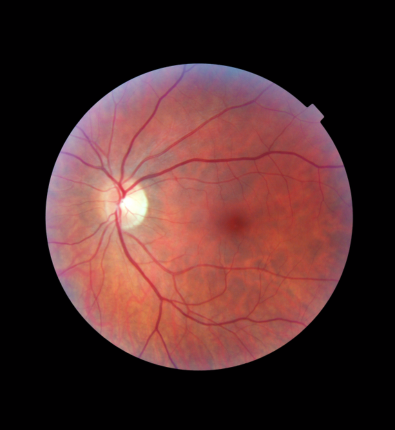
Dilated fundus examination
➤
Fundus photography
➤
OCT
➤
FFA
➤
Ultrasound B-scan
Treatment
Depends on the condition:
➤
Laser treatment
➤
Intravitreal injections
➤
Vitrectomy surgery
➤
Observation in early or stable cases
Patient Advice
➤
Do not ignore sudden vision changes
➤
Regular eye check-ups for diabetics and elderly
➤
Control systemic diseases (diabetes, BP)
How Diabetes Affects the Eyes
High blood sugar damages the blood vessels of the retina, lens, and optic nerve, leading to multiple eye conditions.
Common Diabetes-Related Eye Problems
1. Diabetic Retinopathy
Most common and serious eye complication of diabetes.
Stages:
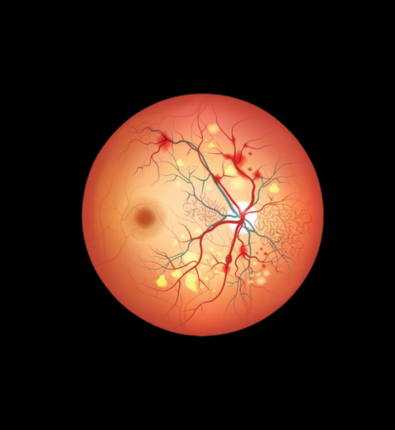
1. Non-Proliferative Diabetic Retinopathy (NPDR)
➤
Mild, moderate, severe
➤
Microaneurysms, hemorrhages, exudates
2. Proliferative Diabetic Retinopathy (PDR)
➤
New abnormal blood vessel growth
➤
Risk of vitreous hemorrhage and retinal detachment
Symptoms:
➤
Often no early symptoms
➤
Blurred vision
➤
Sudden vision loss in advanced stages
2. Diabetic Macular Edema (DME)
➤
Swelling of the macula (center of vision)
➤
Can occur at any stage of retinopathy
➤
Causes central vision blur
3. Cataract
➤
Diabetics develop cataracts earlier
➤
Causes cloudy vision, glare
4. Glaucoma
➤
Diabetics have higher risk
➤
Especially neovascular glaucoma in advanced retinopathy
5. Refractive Changes
➤
Fluctuating vision due to blood sugar variations
➤
Temporary increase or decrease in power
Risk Factors
➤
Duration of diabetes
➤
Poor blood sugar control (high HbA1c)
➤
Hypertension
➤
High cholesterol
➤
Pregnancy
Diagnosis
➤
Dilated fundus examination
➤
Fundus photography
➤
OCT (for macular edema)
➤
Fundus fluorescein angiography (FFA) when required
Treatment Options
1. Medical
➤
Strict control of blood sugar, BP, cholesterol
2. Ocular Treatments
➤
Laser photocoagulation
➤
Intravitreal injections (Anti-VEGF / Steroids)
➤
Vitrectomy surgery (advanced cases)
Prevention & Patient Advice
1. Eye check-up:
➤
At diagnosis (Type 2)
➤
Within 5 years (Type 1)
➤
Yearly thereafter
2. Maintain good sugar control
3. Do not ignore mild vision changes
Medical Retina Treatment
Medical retina treatment focuses on managing retinal diseases using medications and non-surgical therapies. These treatments aim to control disease progression, preserve vision, and prevent further retinal damage.
Common conditions treated under medical retina care include diabetic retinopathy, age-related macular degeneration (AMD), retinal vein occlusion, and macular edema. Treatment options may include intravitreal injections, laser therapy, and oral or injectable medications, depending on the condition.
Surgical Retina Treatment
Surgical retina treatment is recommended for advanced or complex retinal conditions that cannot be managed with medication alone. These procedures are performed using advanced microsurgical techniques to repair and restore the retina.
Common surgical procedures include vitrectomy for retinal detachment, vitreous hemorrhage, macular hole, and epiretinal membrane. Early surgical intervention plays a crucial role in preserving vision and preventing permanent vision loss.