
Strabismus(Squint)
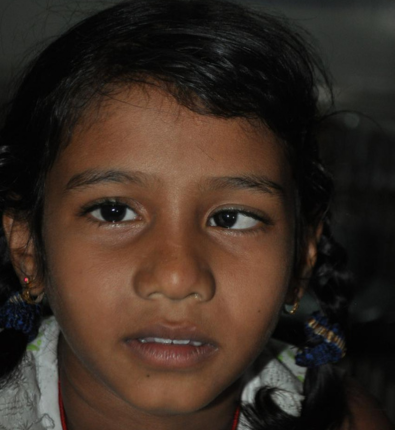
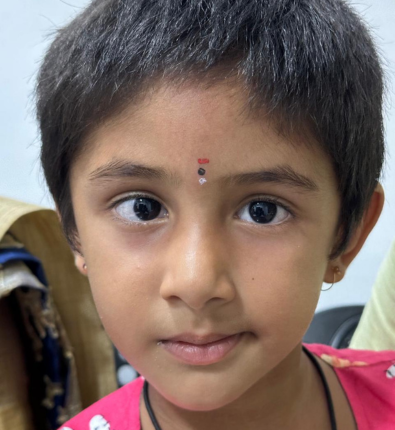
Strabismus (Squint) is a condition in which the eyes are misaligned and do not look in the same direction at the same time. One eye may look straight while the other turns in, out, up, or down.
Types of Strabismus
➤
1. Esotropia – eye turns inward
➤
2. Exotropia – eye turns outward
➤
3. Hypertropia – eye turns upward
➤
4. Hypotropia – eye turns downward
Symptoms
➤
Visible eye deviation
➤
Double vision (more common in adults)
➤
Eye strain or headaches
➤
Closing one eye in bright light
➤
Poor depth perception
Complications
➤
Amblyopia (lazy eye) in children
➤
Loss of binocular vision
➤
Permanent vision reduction if untreated early
Diagnosis
➤
Complete eye examination
➤
Cover–uncover test
➤
Prism testing
➤
Refraction
➤
Fundus examination
Treatment
➤
Depends on age, type, and cause:
1. Spectacles (especially in accommodative squint)
2. Amblyopia therapy (patching, penalization)
3. Orthoptic exercises
4. Surgery to realign eye muscles
5. Botulinum toxin (selected cases)
Nystagmus
Nystagmus is a condition in which there are involuntary, rhythmic movements of the eyes. These movements may be side-to-side, up-and-down, or circular and can affect vision and eye coordination.
Types of Nystagmus
1. Congenital (Infantile) Nystagmus
➤
Present from birth or early infancy
➤
Often associated with poor vision
➤
Usually lifelong but stable
2. Acquired Nystagmus
➤
Develops later in life
➤
Often due to neurological or inner ear problems
➤
Requires urgent evaluation
Direction of Eye Movements
➤
Horizontal
➤
Vertical
➤
Circular
Causes
1. Congenital
➤
Albinism
➤
Congenital cataract
➤
Optic nerve hypoplasia
➤
Retinal disorders
➤
Idiopathic (unknown cause)
2. Acquired
➤
Stroke or brain tumors
➤
Multiple sclerosis
➤
Head injury
➤
Inner ear (vestibular) disorders
➤
Drug or alcohol toxicity
Symptoms
➤
Reduced or blurred vision
➤
Difficulty focusing
➤
Head turn or tilt (to find a “null point”)
➤
Oscillopsia (feeling that objects are moving) – common in acquired type
Diagnosis
➤
Detailed eye examination
➤
Observation of eye movements
➤
Refraction
➤
Fundus examination
➤
Neurological evaluation if required
➤
MRI brain (in acquired cases)
Treatment
Depends on cause and type:
➤
Treat underlying cause (especially in acquired nystagmus)
➤
Spectacles or contact lenses
➤
Low vision aids
➤
Medications (selected cases)
➤
Surgery (to reduce head posture or eye movements in some cases)
Patient Counselling Points
➤
Vision may improve but may not become normal
➤
Early evaluation is important in children
➤
Sudden onset in adults is a warning sign